UniWave Electric
UniWave Electric
UniWave Electric
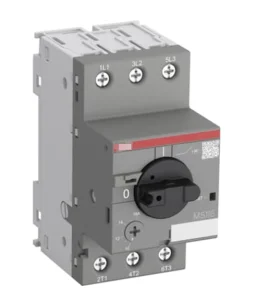
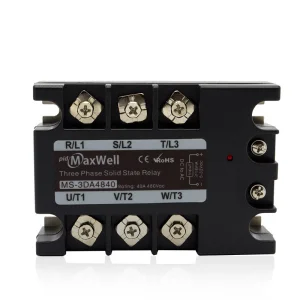
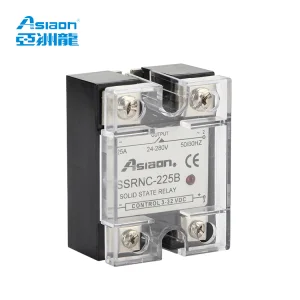
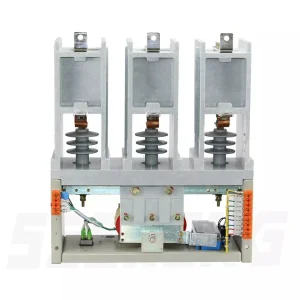
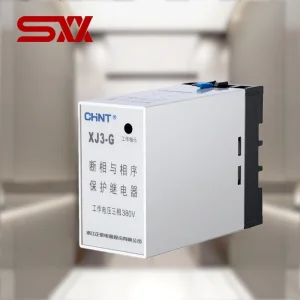
In modern industrial automation, the health of three-phase motors is paramount. A Phase Failure Relay (PFR), also commonly referred to as a phase protection relay or phase sequence indicator, acts as a crucial line of defense. It continuously monitors the characteristics of three-phase power supplies (L1, L2, L3) to detect voltage anomalies, phase loss (failure), incorrect sequence (rotation), and phase asymmetry. Failure to protect against these conditions can lead to catastrophic motor burnout, extensive mechanical downtime, and significant financial losses.
Phase failure, or phase loss, occurs when one of the three phases in a multi-phase system drops to zero volts. This can happen due to a blown fuse, physical cable breakage, or contact failure inside upstream contactors or breakers. When a motor continues to run under a single-phase condition, it attempts to draw its full load current from the remaining two phases, causing rapid overheating and permanent winding insulation failure.
Phase Sequence (Reversal): If the sequence of incoming three-phase lines is altered (e.g., L2 and L3 swap positions during maintenance), the motor will rotate in the opposite direction. This poses massive risks to mechanical equipment such as screw compressors, conveyor belts, and elevators. Phase Asymmetry (Imbalance): Unbalanced voltages across the phases introduce negative-sequence currents, creating counter-torque that generates extreme heat within the rotor, drastically reducing motor efficiency and lifespan.
Phase failure and sequence relays are vital components utilized across a myriad of commercial, industrial, and infrastructure frameworks. Industrial operations rely on consistent power dynamics, making phase relays indispensable.
Submersible pumps operate under heavy stress. A sudden phase failure can destroy a municipality's primary water distribution pump within minutes. Using products like the RM35JA31MW / RM35HZ21FM ensures instant trip commands are sent to circuit breakers upon detection of phase loss.
Safe operation of elevators depends heavily on phase sequence control. Wrong phase sequence can drive motors into mechanical travel limits. Relays such as the CHNT XJ3-G Elevator Phase Failure and Sequence Protection Relay provide dedicated fail-safe logic to halt elevator operation instantly.
Three-phase industrial chillers and heavy duty HVAC systems use scroll compressors. Reverse rotation caused by phase sequence inversion can destroy a compressor unit in moments, generating huge repair and maintenance expenses.
Wenzhou UniWave Electric Co., Ltd. is a leading manufacturer specializing in a wide range of electrical products, including Circuit Breakers (RCBO / RCCB / MCB / WiFi Smart MCB / MCCB / ACB), Isolator Switches, Change Over Switches, AC Contactors, Thermal Relays, Magnetic Starters, Solid State Relays, Distribution Boxes, Voltage Stabilizers, and Voltage Protectors. Our company is located in Liushi, Yueqing, Wenzhou, China, famously known as the “City of Low Voltage Electrical Appliances,” offering both a thriving industrial environment and a beautiful natural setting.
With over 25 years of experience in the circuit breaker and AC contactor industry, Wenzhou UniWave Electric has established a strong reputation for quality, reliability, and innovation. Our products strictly comply with IEC standards and have obtained internationally recognized certifications, including SAA, CE, CB (IEC), and ISO9001.
Our company is equipped with advanced testing instruments and a highly skilled R&D team, allowing us to continually develop new products and improve existing ones. We are committed to providing cutting-edge solutions that meet the evolving needs of our customers. Our products are widely exported and highly appreciated in various markets around the world, including Europe, America, Southeast Asia, the Middle East, and Africa.
At Wenzhou UniWave Electric, we focus on customer satisfaction, innovation, and sustainable development. We warmly welcome inquiries from global partners and are dedicated to establishing long-term, mutually beneficial business relationships with clients worldwide. Contact us today to explore cooperation opportunities and experience the UniWave difference!
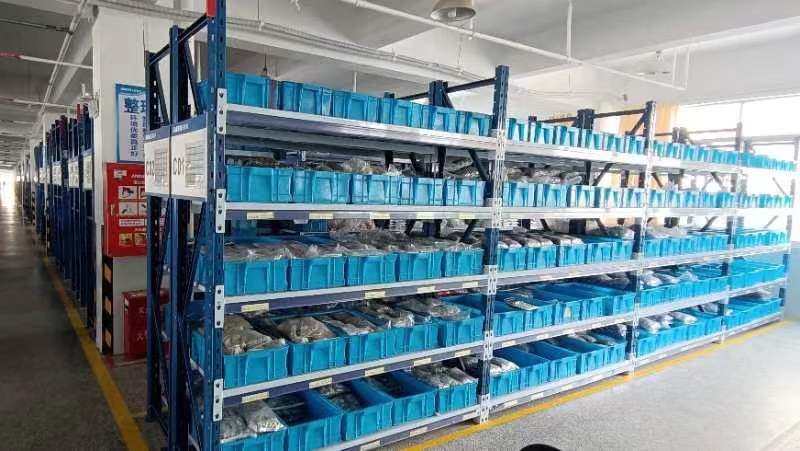
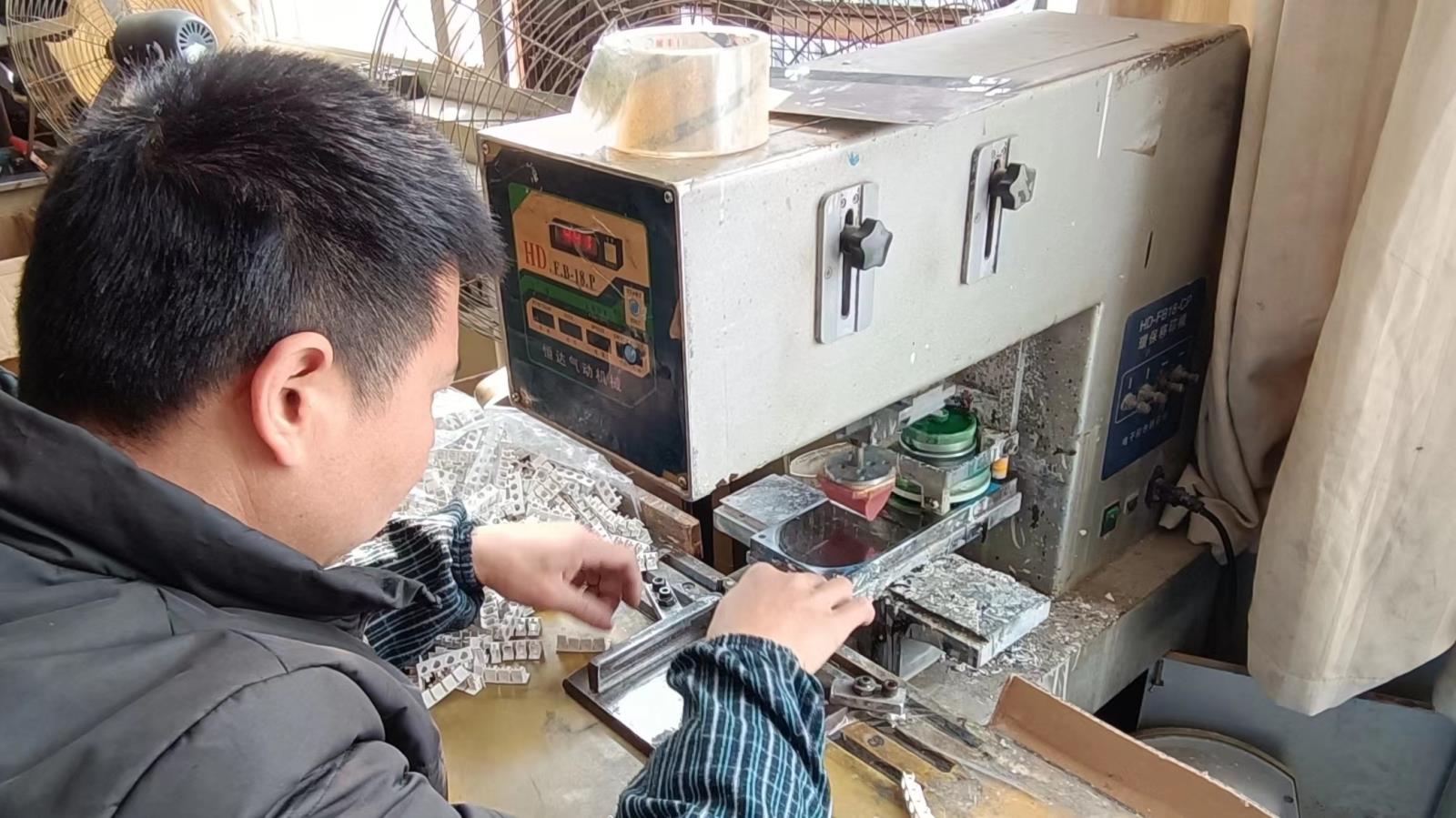
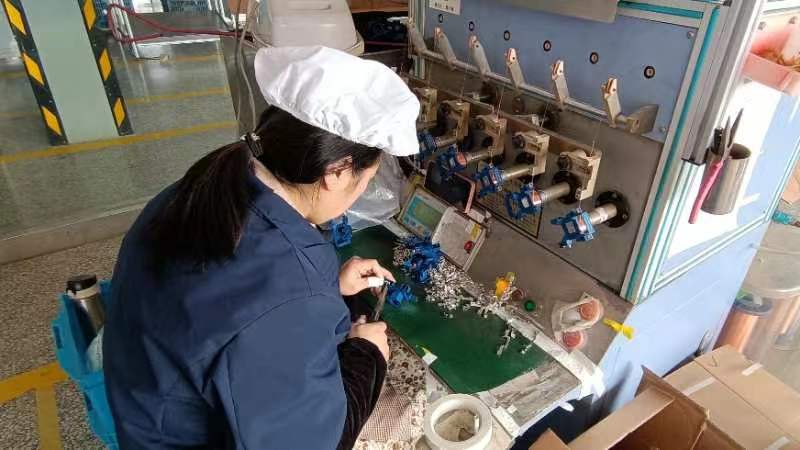
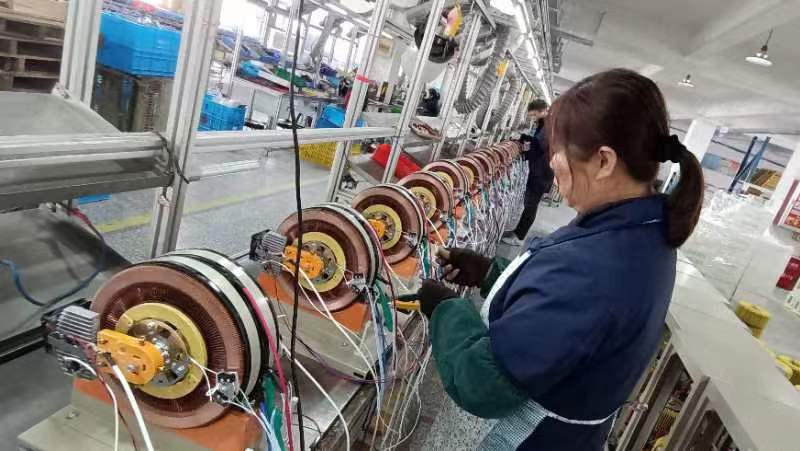
From premium grade raw material sourcing to fully automated winding and state-of-the-art testing systems, Wenzhou UniWave Electric maintains total control over product reliability. Each step in our Liushi production facility is stringently monitored to ensure zero defects reach our global clientele.
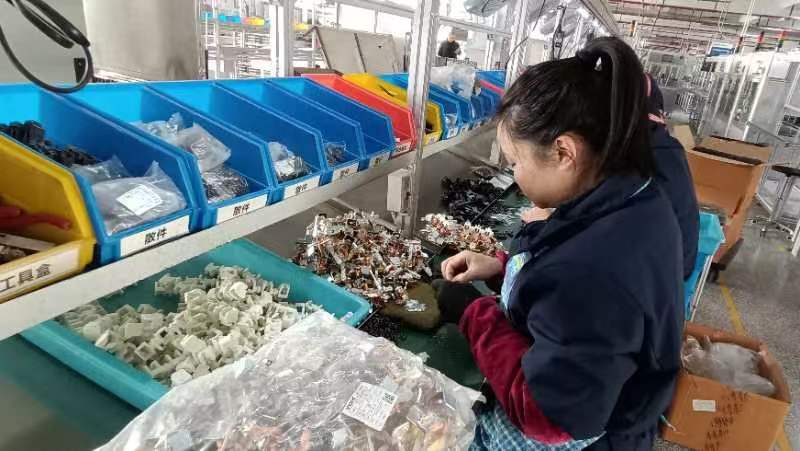
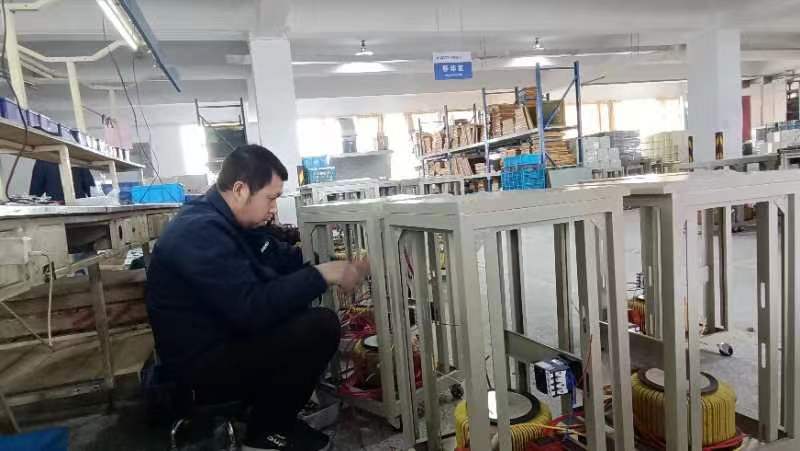
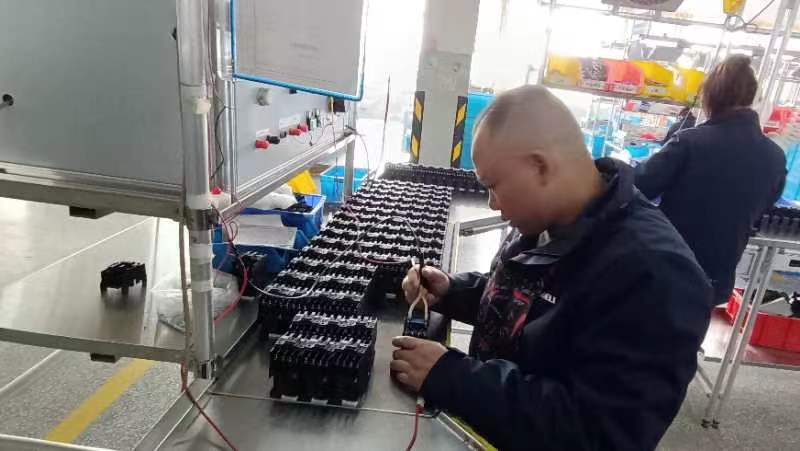
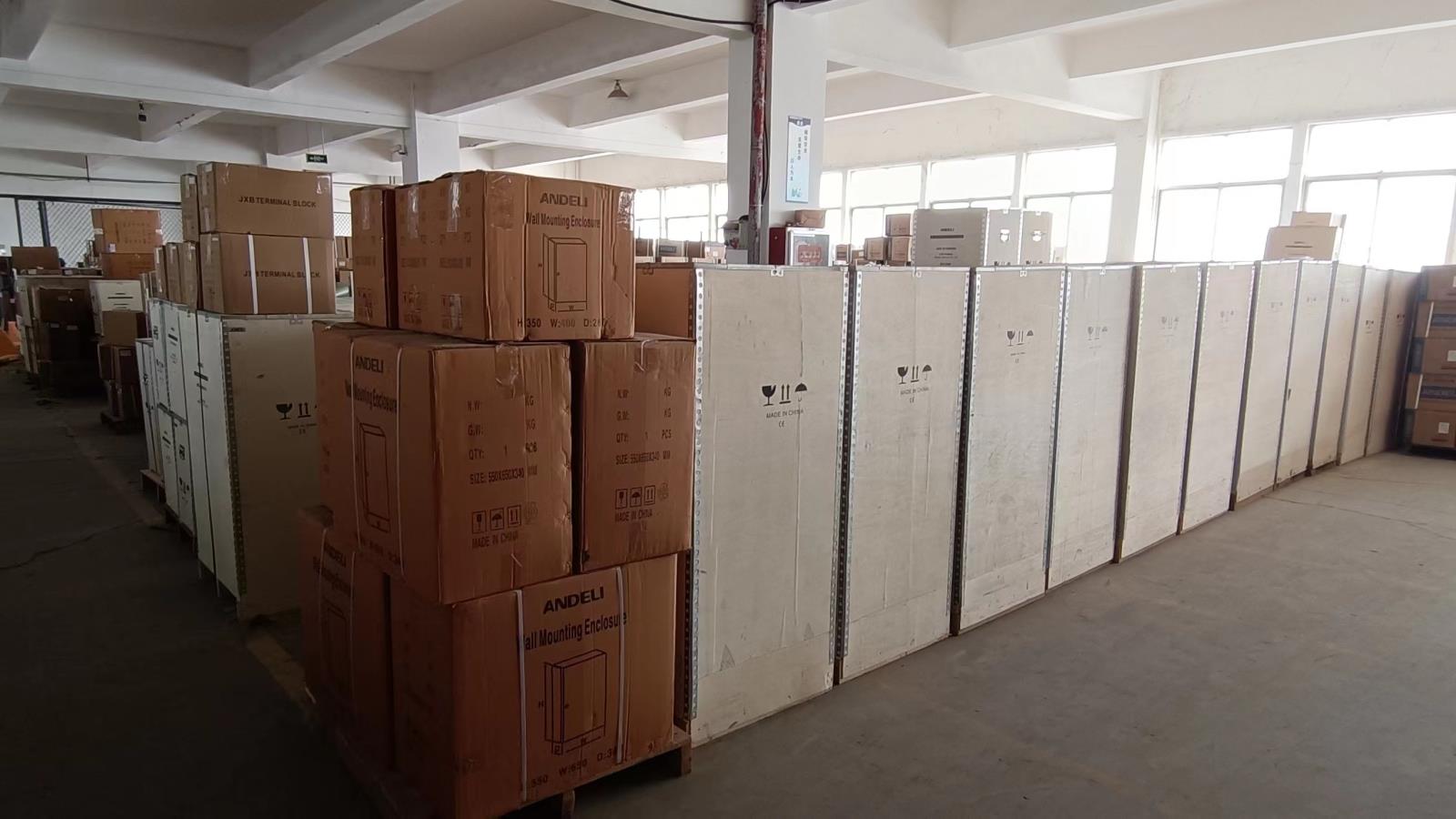
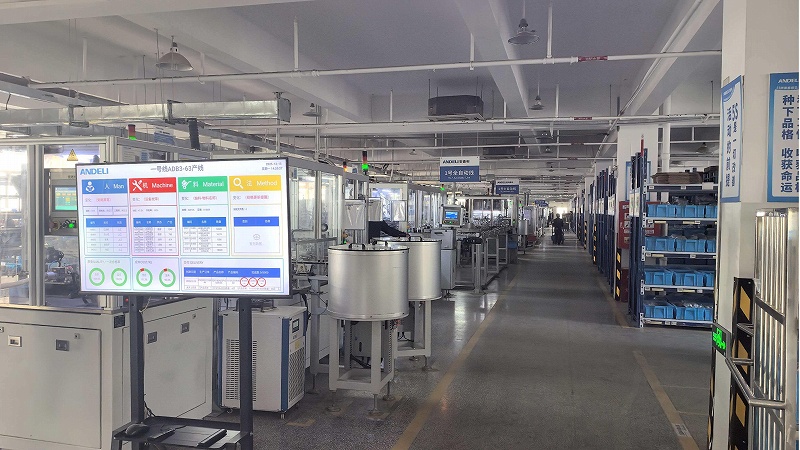
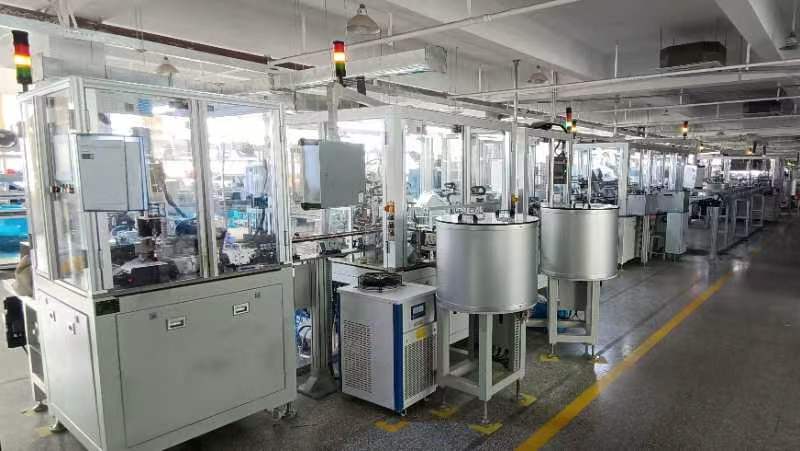

Operating a global electrical business means understanding varying localized parameters. Electrical distribution standards vary extensively between regions: North America primarily operates at 60Hz and uses NEMA standards, while Europe, Australia, and parts of Asia use IEC standards at 50Hz. Wenzhou UniWave Electric addresses these diversifications with built-in adjustable frequency mechanisms and multi-voltage ratings (e.g., 220V, 380V, 480V, and up to 690VAC applications).
Our switchgear assemblies and relays align with IEC/EN 60947 series standards. Keeping consistent certification pathways with CE, SAA, CB, and ISO9001 ensures our international distribution network handles customs, compliance checks, and local commissioning protocols without operational hurdles.
We are consistently integrating communication interfaces within our heavy-duty breakers and relays. The integration of WiFi Smart MCBs and digital communication modules allows phase protection data to be transmitted directly to SCADA systems, preventing potential equipment failures before they happen.